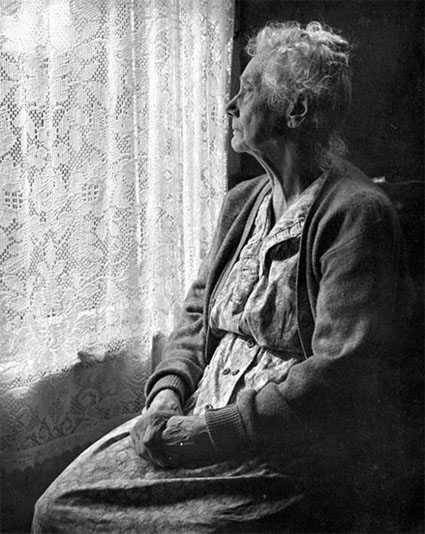
I have been giving significant thought over an extended season to the matter of SUFFERING and GRIEF.
I am reminded of the following from Wikipedia:
The Kübler-Ross model, commonly known as the five stages of grief, was first introduced by Elisabeth Kübler-Ross in her 1969 book, On Death and Dying.
It describes, in five discrete stages, a process by which people deal with grief and tragedy, especially when diagnosed with a terminal illness or catastrophic loss. In addition to this, her book brought mainstream awareness to the sensitivity required for better treatment of individuals who are dealing with a fatal disease.
The progression of stages are:
Denial — “I feel fine.”; “This can’t be happening, not to me.” Denial is usually only a temporary defense for the individual. This feeling is generally replaced with heightened awareness of situations and individuals that will be left behind after death.
Anger — “Why me? It’s not fair!”; “How can this happen to me?”; “Who is to blame?” Once in the second stage, the individual recognizes that denial cannot continue. Because of anger, the person is very difficult to care for due to misplaced feelings of rage and envy. Any individual that symbolizes life or energy is subject to projected resentment and jealousy.
Bargaining — “Just let me live to see my children graduate.”; “I’ll do anything for a few more years.”; “I will give my life savings if…” The third stage involves the hope that the individual can somehow postpone or delay death. Usually, the negotiation for an extended life is made with a higher power in exchange for a reformed lifestyle. Psychologically, the individual is saying, “I understand I will die, but if I could just have more time…”
Depression — “I’m so sad, why bother with anything?”; “I’m going to die… What’s the point?”; “I miss my loved one, why go on?” During the fourth stage, the dying person begins to understand the certainty of death. Because of this, the individual may become silent, refuse visitors and spend much of the time crying and grieving. This process allows the dying person to disconnect oneself from things of love and
Continue reading