
A condition of the HEART ….
According to Wikipedia ….
An electrocardiogram (ECG or EKG, abbreviated from the German Elektrokardiogramm) is a graphic produced by an electrocardiograph, which records the electrical activity of the heart over time. Its name is made of different parts: electro, because it is related to electrical activity, cardio, Greek for heart, gram, a Greek root meaning “to write”. The abbreviation “EKG” is preferred over the more straightforward “ECG” in oral communication, because the latter may be misheard as EEG.
Electrical waves cause the heart muscle to pump. These waves pass through the body and can be measured at electrodes (electrical contacts) attached to the skin. Electrodes on different sides of the heart measure the activity of different parts of the heart muscle. An ECG displays the voltage between pairs of these electrodes, and the muscle activity that they measure, from different directions. This display indicates the overall rhythm of the heart, and weaknesses in different parts of the heart muscle. It is the best way to measure and diagnose abnormal rhythms of the heart, particularly abnormal rhythms caused by damage to the conductive tissue that carries electrical signals, or abnormal rhythms caused by levels of dissolved salts (electrolytes), such as potassium, that are too high or low. In myocardial infarction (MI), the ECG can identify damaged heart muscle. But it can only identify damage to muscle in certain areas, so it can’t rule out damage in other areas. The ECG cannot reliably measure the pumping ability of the heart; ultrasound is used for that.
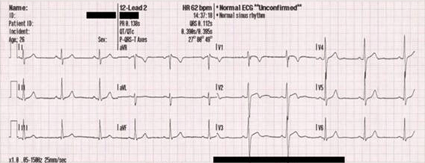
Irene’s three days a week of dialysis treatment continues. The dialysis team is increasingly concerned about Irene’s consistent blood pressure DROP which measures in the 89/50 range. They are recommending that she schedule an electrocardiogram. The amyloidosis can invade all of the internal organs including the heart.
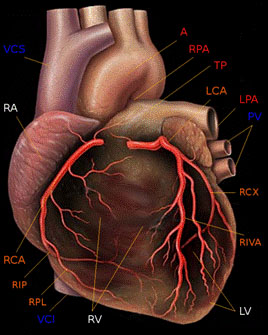
Above all else guard your heart for it is the wellspring of life.
Proverbs 4:23…. if you confess with your mouth, “Jesus is Lord,” and believe in your heart that God raised him from the dead, you will be saved. For it is with you heart that you believe and are justified and it is with your mouth that you confess and are saved.
Romans 8:9-10
Are our hearts aligned with God’s?
Is our heart soft toward Him?
Is our heart teachable?
Do we guard our heart?
Do we believe in our heart?
God is intensely concerned about the condition of our HEART.
Caminando con Fé
Dave

